Kids up to 18yoUpon presentation of their ID card or passport for verification of their age and country of origin.
00€
Ancient Nemea
AdultsPer person
10€
Free Admission
Kida up to 18yoUpon presentation of their ID card or passport for verification of their age and country of origin.
00€
The Theater of Epidaurus
AdultsPer person
20€
Free Admission
Kids up to 18yoUpon presentation of their ID card or passport for verification of their age and country of origin.
00€
Palamidi
AdultsPer person
20€
Free Admission
Kids up to 18yoUpon presentation of their ID card or passport for verification of their age and country of origin.
00€
Mycenae
AdultsPer person
20€
Free Admission
Kids up to 18yoUpon presentation of their ID card or passport for verification of their age and country of origin.
00€
Ancient Olympia
AdultsPer person
20€
Free Admission
Kids up to 18yoUpon presentation of their ID card or passport for verification of their age and country of origin.
00€
Delphi
AdultsPer person
20€
Free Admission
Kids up to 18yoUpon presentation of their ID card or passport for verification of their age and country of origin.
00€
Monasteries of Meteora
AdultsPer person
5€
Free Admission
Kids up to 12yoUpon presentation of their ID card or passport for verification of their age and country of origin.
00€
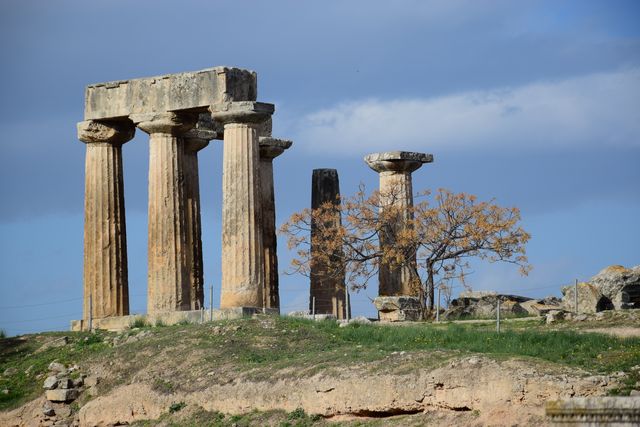
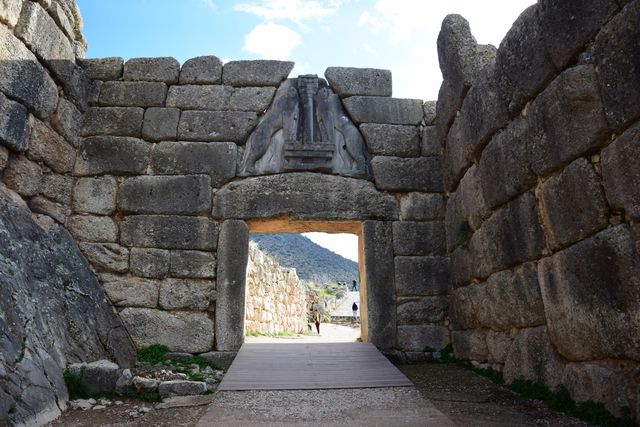
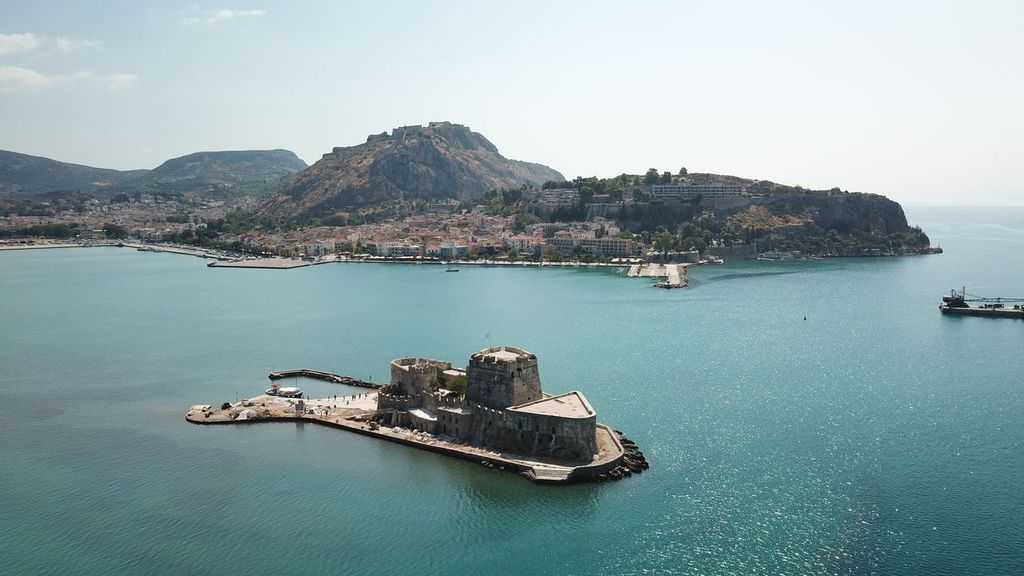
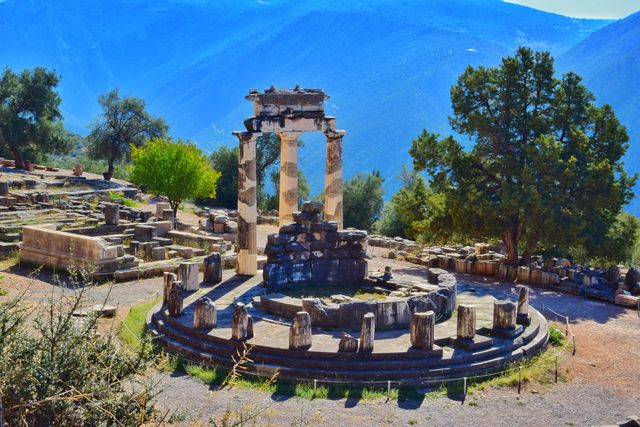
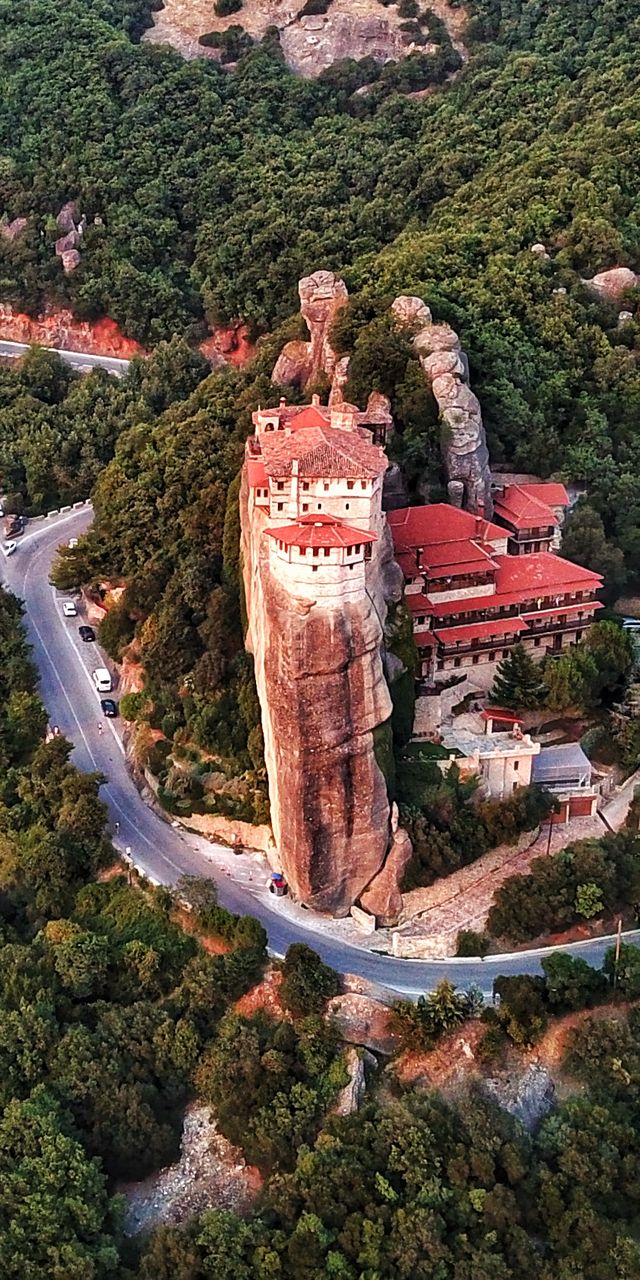
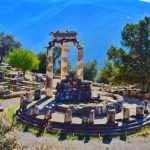
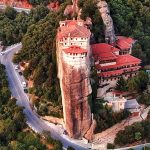
Canal: was dug through at sea level and has no locks. Was started in 1882 and completed in 1893 It is 6.4 kilometres in length and at 24.6 metres wide at sea level. Ancient Corinth: “Peirene Fountain“, “Temple of Appollo” [6th c. BC with 1st c. AD restorations], “Bema of St Paul” Roman Forum, “Odeon“, “Amphitheater“, “Glauke Fountain“, “Long Walls” that begin at the summit of Acro-Corinth and descend all the way to Lechaion. Acro-Corinth: the fortress Acropolis of Ancient Corinth and Medieval Corinth, being on a steep of a rocky hill 575 meters high at its highest peak, with uninterrupted views across the Corinthian and Saronic Gulfs. Ancient Nemea: The archaeological site of Nemea is emblematic due to the organisation of the Nemean Games in antiquity. The site includes the sport roots of Europe and the ideals of classical sports as an element for the comprehensive education of young people. The first Panhellenic Nemean games took place in 573 BC on a two years basis. In mythology, Hercules’s victory against the lion of Nemea, often found in ancient Greek art and literature, inextricably connects the hero with the site. The Archaeological Site of Nemea is a complex of well-preserved and exhibited archaeological remains, emblematic due to Nemean Sports Games. Nemea: where you can taste some of the best wines made in the region [Agiorgitiko: Saint George]. Theater of Epidaurus: which is marbeled for its exceptional acoustics, which permit almost perfect intelligibility of unamplified spoken word from the proscenium or skene to all 15,000 spectators, regardless of their seating. Nafplion: The first capitol of Greece, where you will climb up the 999 steps to the Venetian fortress of “Palamidi” crowning the city, wander around the battlements of “Acronafplia” and pop over to the fortified island, “Bourtzi”. Mycenae: “Cyclopean Walls“, “Grave Circle A” with 6 royal tombs, courtiers’ houses, sanctuaries, “Grave Circle B” with 14 royal tombs and 12 tombs of private citizens, “Treasure of Atreus” also known as the beehive tomb of Agamemnon, and “Lions Gate“. Ancient Olympia: “Temple of Zeus” [472 BC], ”Heraion“, “Bouleuterion“, “Prytaneion” where ceremonies honoring the winners took place, “Ancient Stadium“, “Ancient Gymnasium“, “Palaestra“, “Leonidaion“, “Philippeion“, “Museum of the Olympic Games“. Sanctuary of Delphi: “Temple of Apollo” where the statues and other offerings to the god were kept, “Treasury of the Athenians” contained trophies from important Athenian victories, “Polygonal Wall”, “Stoa”, “Ancient Theater”, “Ancient Gymnasium”, “Castalian Fountain”, “Ancient Stadium”, “Tholos of Athina Pronea“. The Monasteries of Meteora: Most of the monasteries were built or renovated in the 16th century. “Great Meteoron“, “Rousanou“, “Agia Triada“, “Varlaam“, “Agios Nikolaos Anapafsa“, “Ypapanti“, “Agios Stefanos“). A good road leads from Kalambaka to the monasteries with their wonderful wall paintings, ecclesiastical treasures, rich libraries with precious manuscripts, and exquisite icons. Also the movie “For Your Eyes Only‘ with JAMES BOND was filmed there. Thermopylae: With a modern-day monument of King Leonidas I of Sparta. Thermopylae means “hot gates” in Greek. This is derived from the myth that Heracles had jumped into the river in an attempt to wash off the Hydra poison imbibed in the cloak that he could not take off. The river was said to have turned hot and stayed that way ever since.
Breakdown of Tour Time
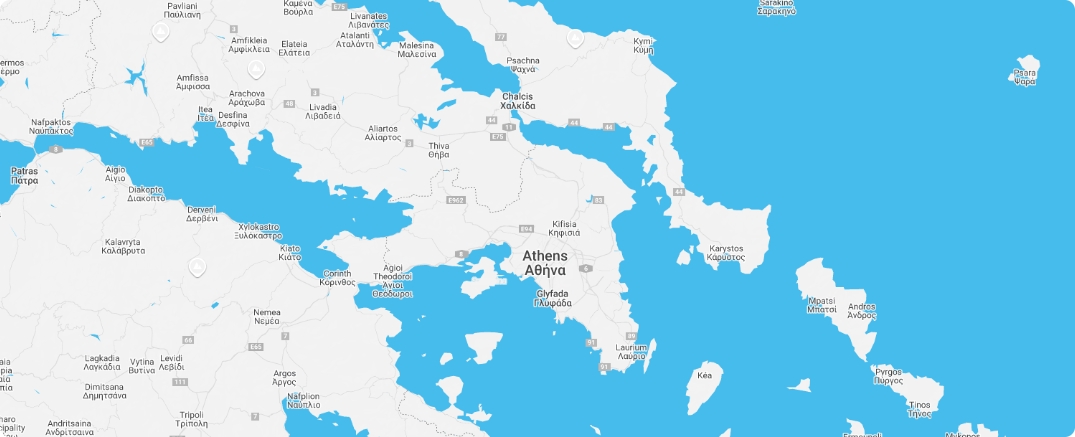
Day 1. Canal, Ancient Corinth, Acro-Corinth, Theater of Epidaurus, Nafplion (Overnight in Nafplion)
Day 2. Mycenae, Ancient Nemea (Overnight in Olympia)